PRESENCE
Facilitating magic
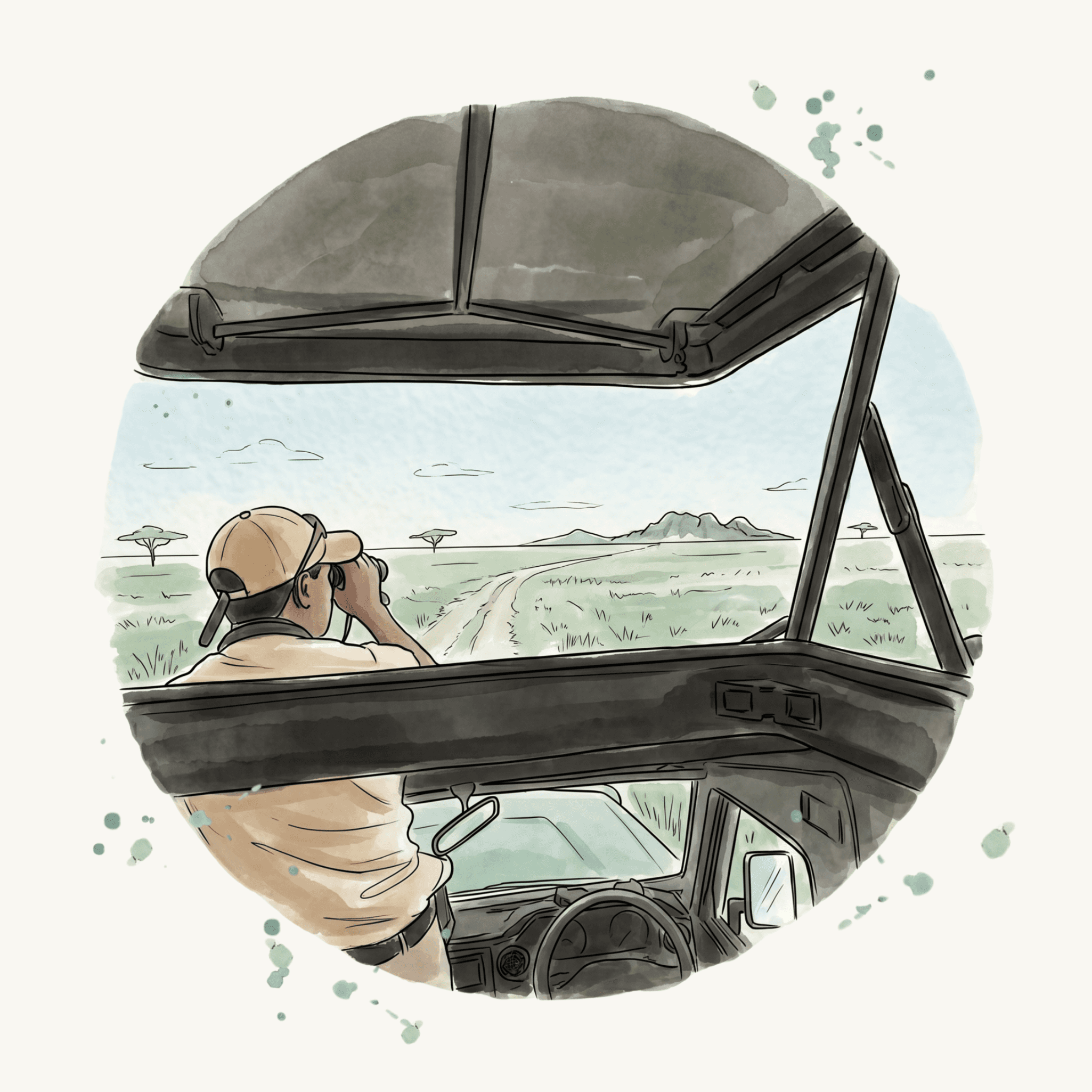
The majority of safari experiences will include a guide. Someone who, hopefully, will function as a bridge between you and the wilderness, between observation and participation, between risk and safety.
I had watched my share of nature documentaries, read the books, and seen the YouTube videos. But within hours of meeting the guide, I realised how little I actually knew.
Seeing the wildlife through the knowledge and expertise of a skilled guide makes it so much more memorable. The wild is best experienced through the lens of someone who understands its rhythms, someone who is reading the signs your untrained eye will never see: a nervous herd, an elephant's subtle warnings that you are too close, or a slight change in the grass that might indicate a predator nearby.
One of the guide's roles is to keep you safe. He is at home in the wilderness, knows the risks, and ensures the safety of his guests. At the same time, he ensures that the guests do not pose a risk to the environment. Your guide is the final authority on where to stop, when to keep the windows up, and how to behave around large animals and predators.
The guide will make sure there is no lion sleeping in the ladies' room before you are allowed to visit. He will check the river before crossing, to make sure you are not driving straight into a hippo pond. And the best of them will pull up to tow a colleague's vehicle free from a mud pool – then effortlessly drive straight into and cross the same pool a minute later.
A good guide makes a safari so much deeper than just ticking off the Big Five on a checklist. Safari should not be just about seeing elephants and giraffes and getting good photos. A big part of the experience is learning – how these animals live, communicate, and interact with each other and with other species.
For instance, did you know that zebras and wildebeest move together in huge herds? The zebras are the navigators, and the wildebeest know the zebras will lead them to water. The zebras, in turn, know there is safety in numbers and stick to the large wildebeest herds. It is a highly symbiotic relationship.
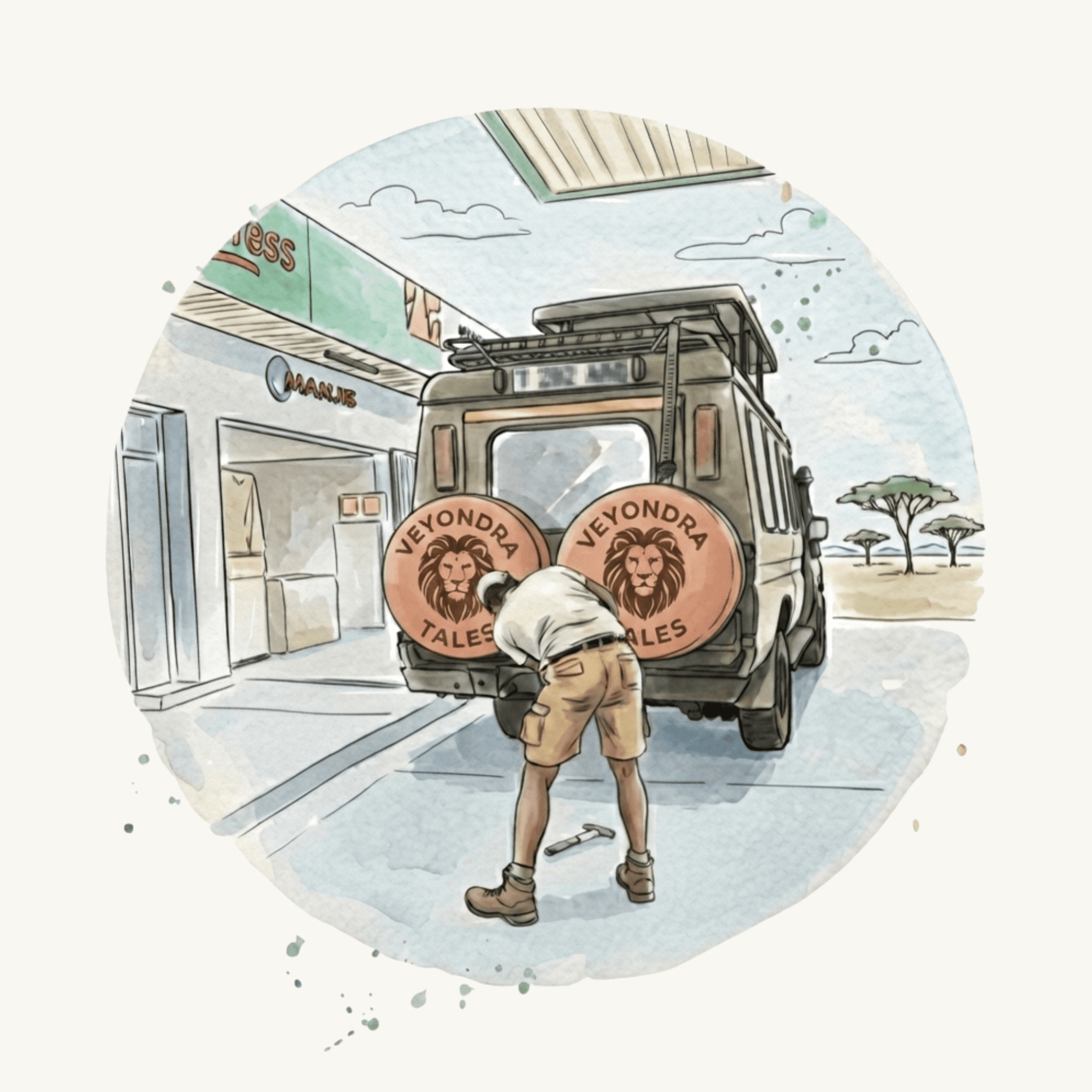
The guide knows when to get closer to the wild and when to back off. He can name those funny-looking trees, and explain why that bull elephant suddenly turned on you. He knows the best time to catch a glimpse of lions on the hunt and can tell you how giraffes communicate. And if he has to, he stays up late to make sure the car is ready for the next morning's game drive.
The guide's knowledge is not just theoretical - it is lived.
It is late afternoon. You have been standing for a while, watching a leopard in an acacia tree. Your guide cuts the engine. Everything goes silent. He whispers: "I think she will come down soon. And when she does, it will be on this side." You wait. And then she comes down – on this side of the tree.
A good guide is a storyteller and interpreter, a coordinator and facilitator – and if you are lucky, after sharing magic moments together for days in the wilderness, your guide will also become your friend. It creates a feeling of wanting to come back, even before you have left.
If you are dreaming about a Tanzanian adventure beyond the ordinary, guided by one of the best, check out Veyondra Tales.
explore more in